
A fractional CFO can swiftly provide the expertise needed to improve cash flow, streamline operations, and create a long-term financial plan. A fractional CFO is mainly responsible for managing the financial actions of your company. This includes cash flow management, financial planning, and analyzing where a company’s financials are strong and where Purchases Journal they are vulnerable.
Defining the Fractional CFO: Expertise Without Overhead

This shift extends beyond finance, influencing various industries. Several factors drive this evolution, including technology that enables remote work and the evolving needs of businesses seeking specialized knowledge. But it’s equally crucial to understand if this model is right for your business. A fractional CFO can be a valuable asset, but it’s not a universal solution.
How do CFO salaries differ between startups, mid-market companies, and large enterprises?
- At Scalable CFO, we understand the importance of effective communication and collaboration.
- In addition to technical skills, fractional CFOs must be excellent communicators.
- Fractional CFOs offer cost efficiency by minimizing overhead costs and provide agile solutions that adjust to business needs.
- With three years of experience in crafting compelling narratives, she brings a wealth of expertise to our roster.
While the average salary for a Controller in the U.S. ranges from $100,000 to $150,000, CFOs can earn anywhere from $150,000 to over $400,000, depending on the company’s size and location. While it may sound like a fractional CFO and a Controller have very similar job responsibilities and you only need to choose one for your business, that isn’t necessarily the case. The goal is to operate as a strategic partner and deliver forward-looking insights and financial clarity that help leaders make confident decisions. Experienced finance professionals considering a career pivot can gain both flexibility and impact by becoming a fractional CFO. It’s a path that allows former full-time CFOs, VPs of Finance, or senior controllers to work with multiple clients across industries while maintaining autonomy over their schedules and project types.
Industry Use Cases: When Fractional CFOs Shine

This expands the talent pool and allows businesses to choose the best fit, not just the most geographically convenient option. This accessibility fuels the growth of the fractional executive market. Evaluating the return on investment (ROI) of a fractional CFO extends beyond what does fractional cfo mean simple cost comparisons. They improve financial management, inform strategic decision-making, and boost profitability.
- A skilled CFO for small business analyzes the numbers and explains them.
- This can be particularly valuable when facing novel challenges or exploring new opportunities.
- Your business can find a fractional CFO for hire through several sources.
- Fractional CFOs understand the importance of an accurate income statement.
- Restricted stock units grant actual shares that vest over time.
- These are all signs that they’re capable of being a great fractional CFO.
How do you find the right cfo for your startup?

For startups and SMEs it can be a challenge to consider hiring another person when it could be expensive overhead. Hiring a fractional CFO is a good way to test the waters and determine https://dev.healingworksfoundation.org/new-used-rv-dealership-in-tennessee-georgia-north/ just how much value a CFO can bring to your company, without having to bring someone on board permanently or on a full-time basis. Overall, a Fractional CFO significantly contributes to financial savings by offering expert guidance, optimizing operations, minimizing risks, and ensuring efficient resource allocation.
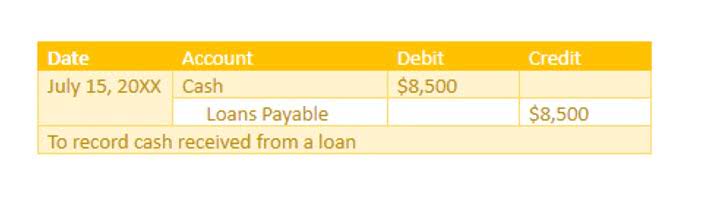
#2 You Want to Build Efficient Accounting Systems
A fractional CFO can help hire accounting professionals and financial performance, but they usually focus on high-level strategic planning rather than everyday financial functions. Controllers are responsible for managing a company’s financial reports and overseeing internal financial controls. In contrast, CFOs have a broader scope, including managing the company’s financial strategy and analyzing financial data to make informed decisions. If you’re ready to start making smarter, more confident financial decisions for your business, reach out to the Mod Ventures team today for a consultation.